
Salmon (Sockeye)
Origin
- Canada
- Alaska
Method
Mainly caught with gillnets and durable driftnets.
Season
Available from May to September, with top quality in June and July.
General
• Oncorhynchus nerka
• Sockeye salmon (English) and Rotlachs (German)
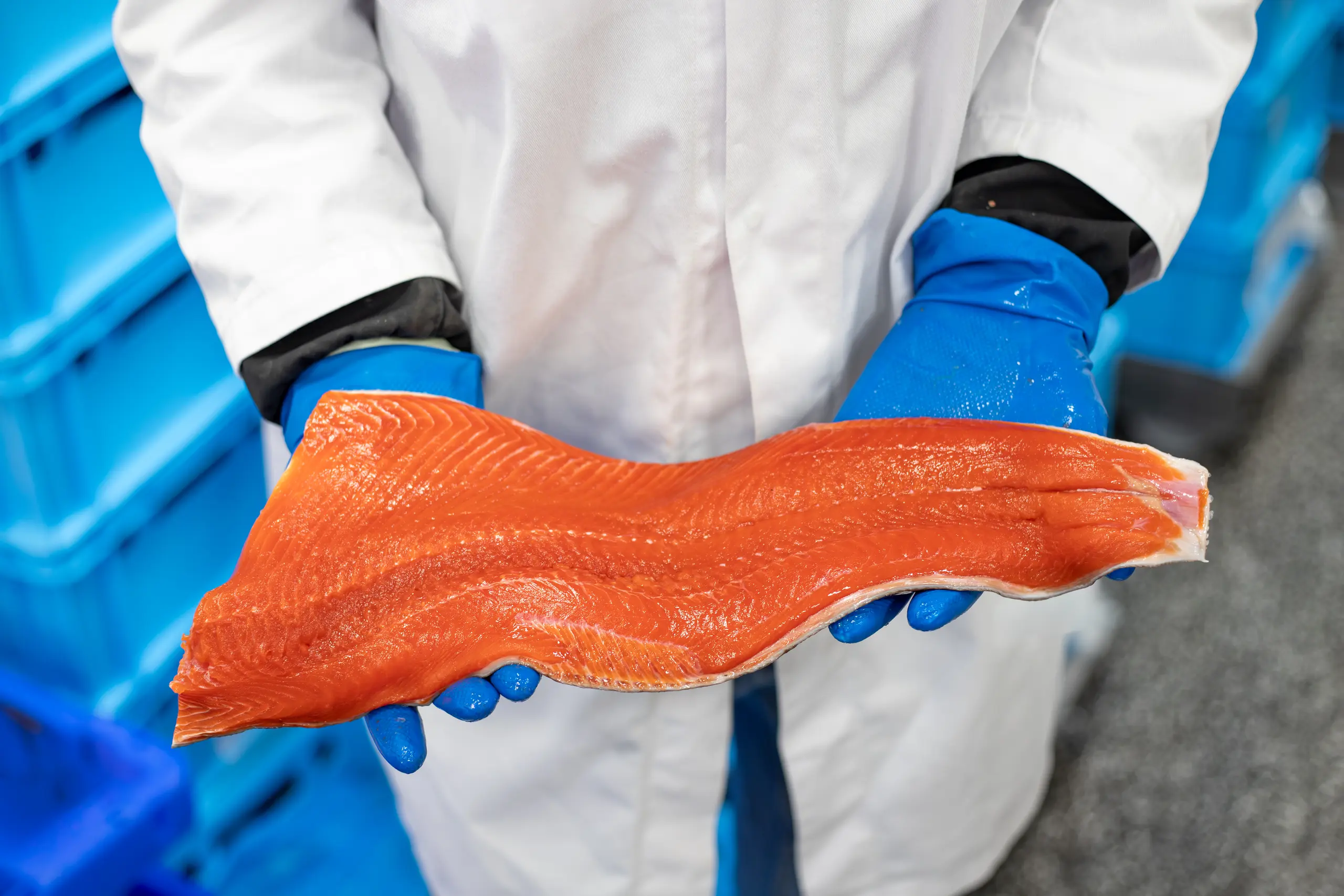
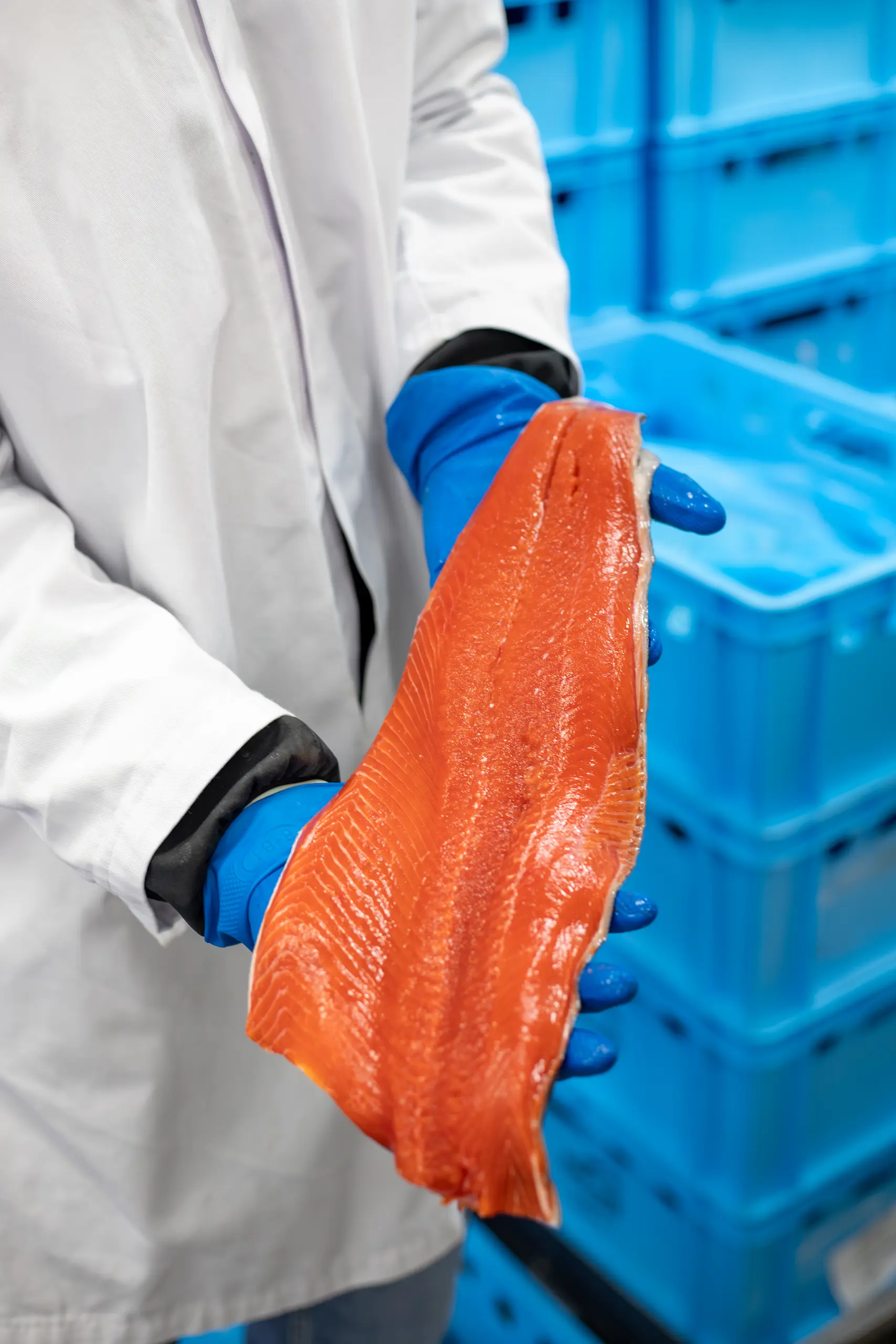
Sockeye salmon are found in the North Pacific Ocean and the coastal waters of Alaska and Canada. The species lives most of its life in cold, nutrient-rich ocean waters and migrates annually to rivers and lakes to spawn. Sockeye typically reside in the middle water layers between ten and one hundred meters deep, depending on ocean temperature, light conditions, and the presence of plankton and small fish. During the ocean phase, the fish develops a powerful, streamlined structure that aids in long migrations. The color of their flesh comes from a diet rich in krill and other crustaceans, which contain natural pigments. In freshwater passages, sockeye travel enormous distances against strong currents, resulting in firm muscles and a distinct texture. Their distribution follows cold ocean currents such as the Alaska Current, which create stable feeding conditions. The species plays an important ecological role because its migration transports nutrients from the sea to freshwater areas. Due to its structure, behavior, and migration habits, sockeye is one of the most characteristic wild salmon species.
Other information
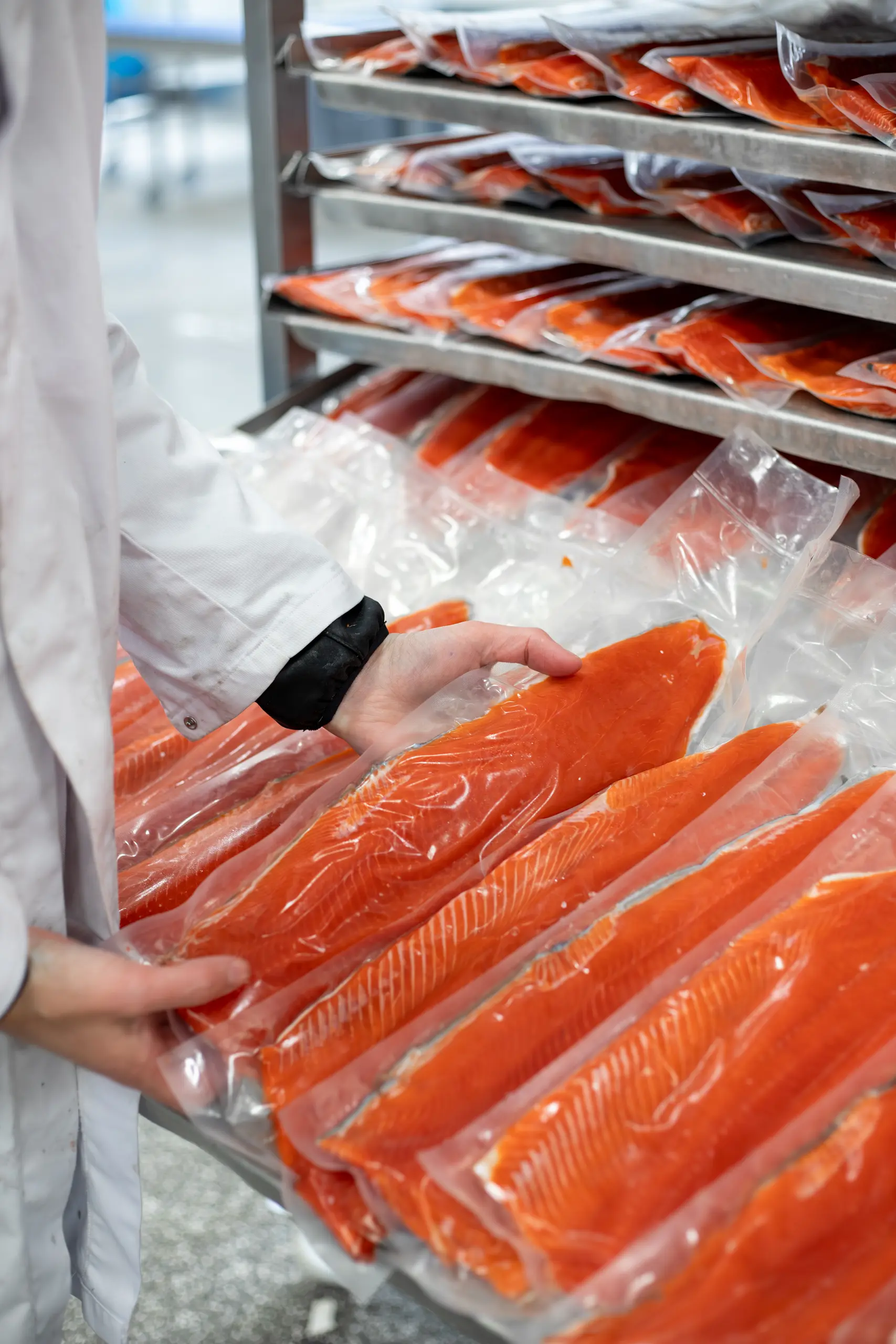
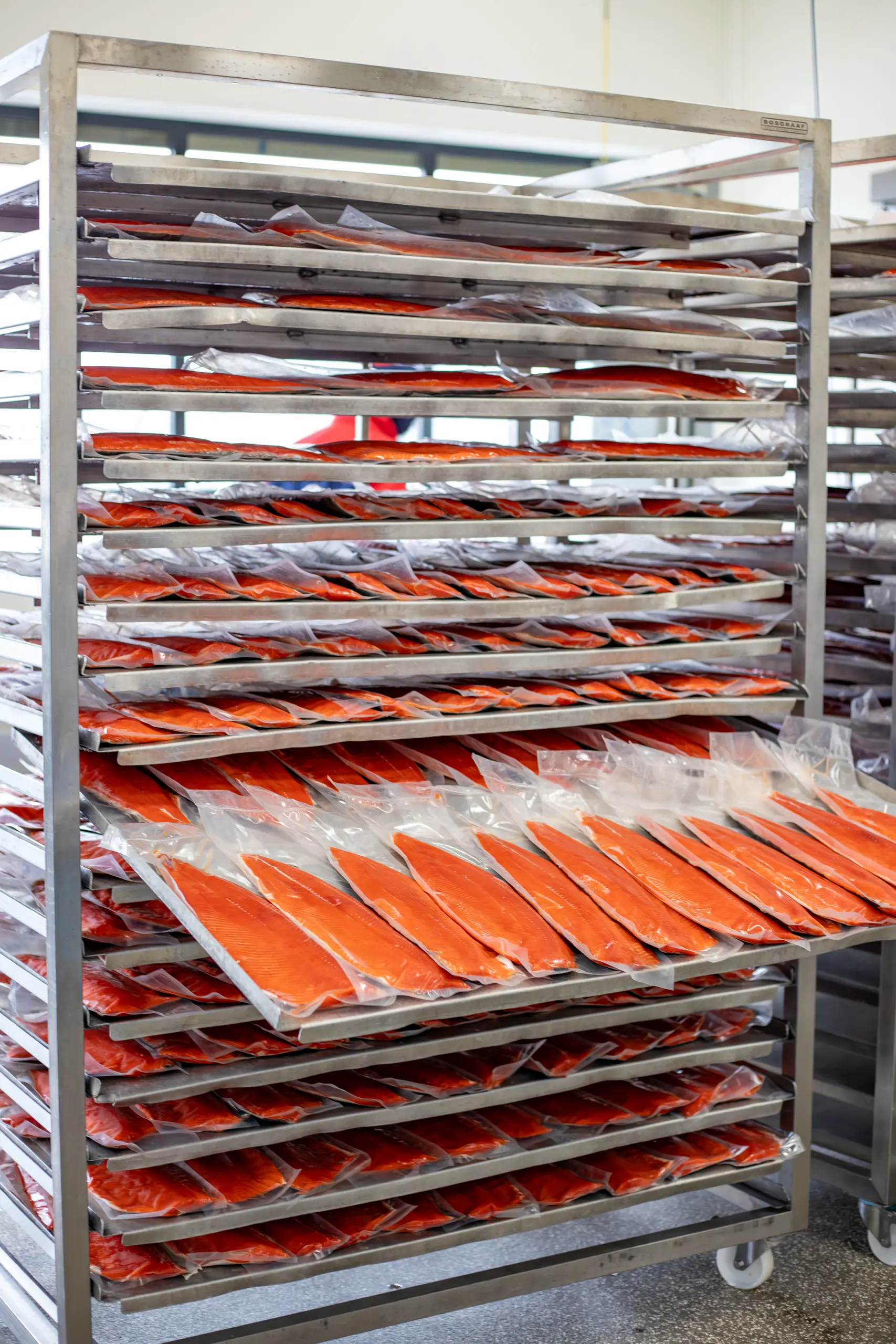
Sockeye salmon is prized for its firm texture and intense flavor, making it popular with fishmongers, wholesalers, and seafood restaurants. The fishery is strictly regulated to protect wild populations, making monitoring of recurring migratory runs essential. Ocean and river conditions, water temperature, and food availability determine annual catch volumes. Sockeye is widely used in grilled dishes, baked goods, smoked salmon, and premium raw preparations. Within professional supply chains, sockeye is an efficient product due to its versatility and scarcity. This aligns with the interests of a fish wholesaler and a fish supplier for the hospitality industry, ensuring that businesses can rely on a high-quality, seasonal supply.
When is the Salmon (wild) at its best?
No rights can be derived from this indication, as it may vary per season and per fish.
Advice: on the map
Good quality
Good availability
Cheap prices
Good
Good quality
Available
Normal price
Reasonable
Thin fish fillet or roe period
Available
Higher price
Not available
Not available
Season closed
View our seasonal fish for the month June

00:00
/
00:00
